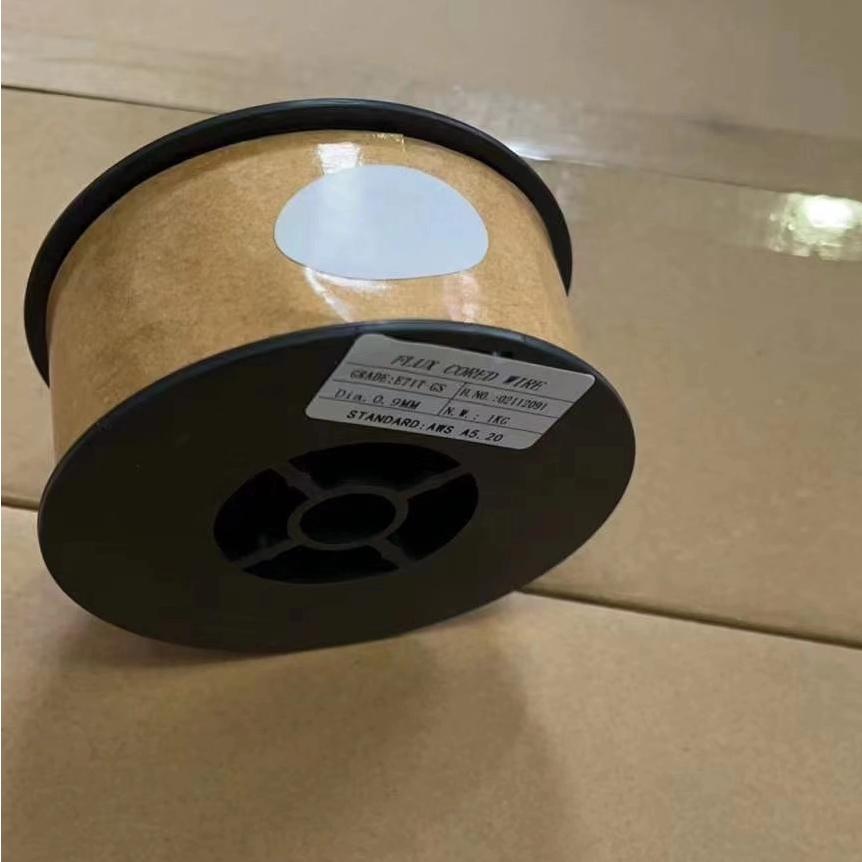
2026-04-25 What is the primary commonality between E71T-11 and E71T-8 flux-cored wires?The most significant commonality between **E71T-11** and **E71T-8** is that both are **self-shielded flux-cored wires** (FCAW-S). This means they do not require an external shielding gas, making them incredibly convenient fo
Read More 
2026-04-15 What is the fundamental difference in shielding requirements between E71T-1 and E71T-8?This is the most critical distinction. **E71T-1** is a **gas-shielded flux-cored wire** (FCAW-G). It requires an external **shielding gas**, typically 100% CO2 or a blend of Argon/CO2, to protect the weld puddle f
Read More 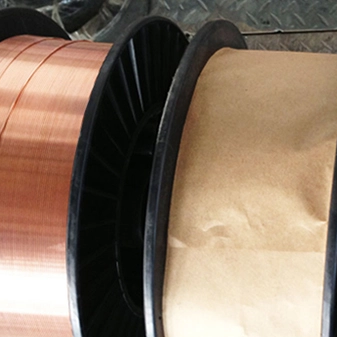
2026-03-05 What defines E71T-8 flux-cored wire, and why is it distinct?**E71T-8** is a **self-shielded flux-cored wire** primarily used for welding **mild steel** and some high-strength low-alloy steels. What makes it distinct is its particular formulation, which provides excellent **low-temperature impact tou
Read More 2026-01-25 What is the primary distinction between E71T-11 and E71T-GS flux-cored welding wires?Both **E71T-11** and **E71T-GS** are **self-shielded flux-cored wires**, meaning they don't require external shielding gas, making them excellent for **portable welding** and outdoor use. The key difference lies in
Read More 
2025-12-15 What are the main welding advantages of E71T-GS flux-cored wire?The primary advantage of **E71T-GS flux-cored wire** is its **self-shielded** nature, which means it doesn't require an external shielding gas. This makes it incredibly **portable** and ideal for outdoor welding, windy conditions, or si
Read More 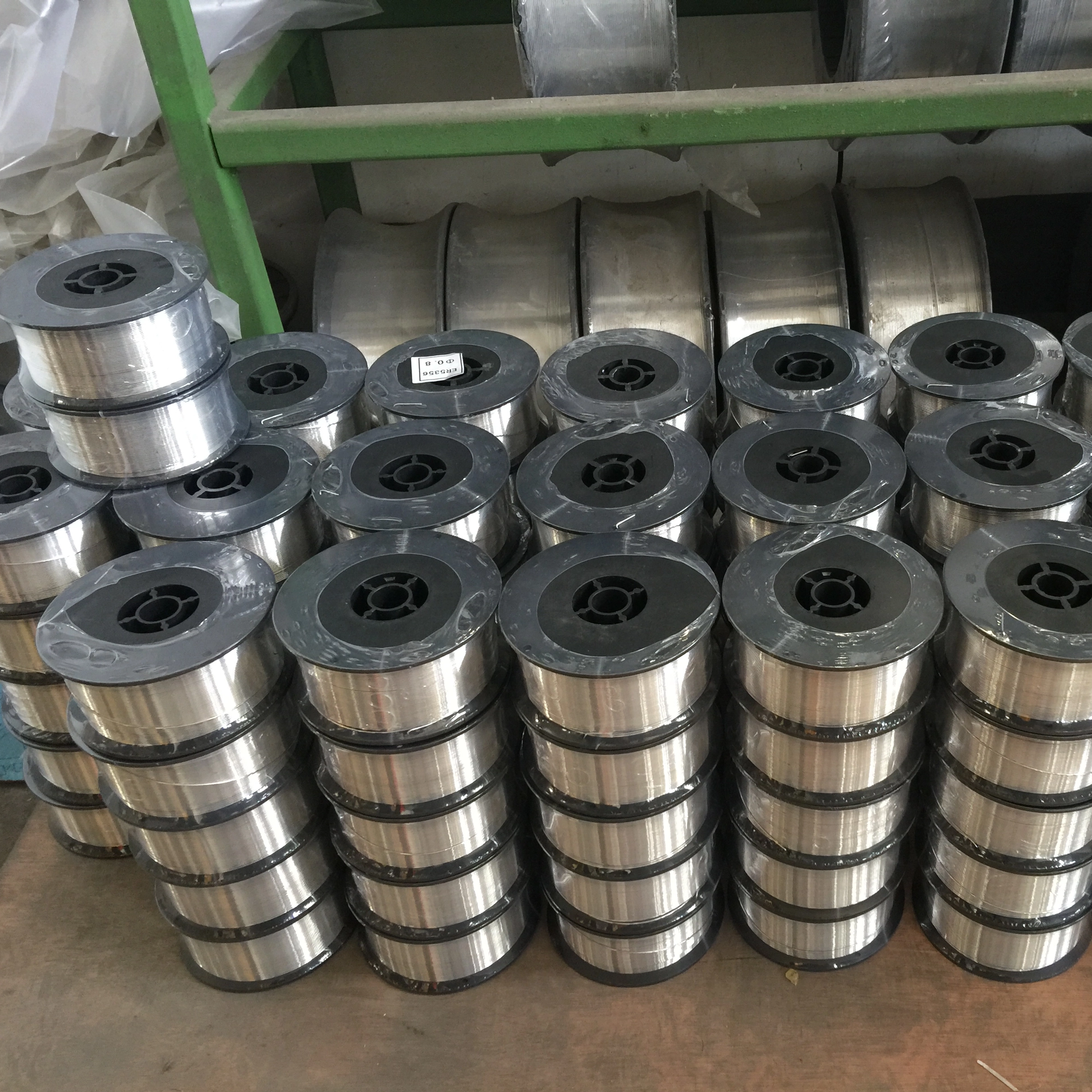
2025-11-05 What are the primary welding advantages of E71T-11 flux-cored wire?E71T-11 flux-cored welding wire offers several significant benefits, particularly for **general fabrication** and applications where external shielding gas is impractical. Its **self-shielded** nature eliminates the need for gas cyli
Read More 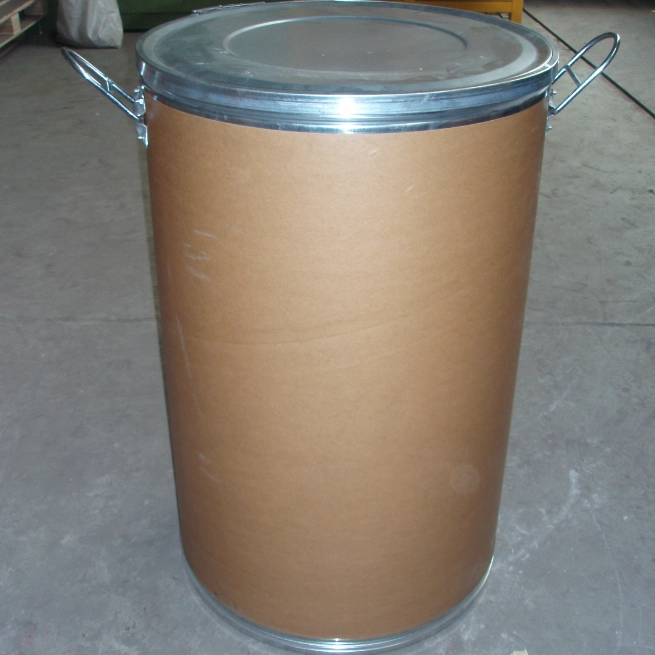
2025-10-15 What is the core difference between E71T-1C and E71T-1M flux-cored welding wires?The fundamental distinction between **E71T-1C** and **E71T-1M** flux-cored welding wires lies in their **shielding gas requirements** and the resulting **mechanical properties** of the weld metal, particularly regarding
Read More 2025-08-15 What is the primary difference between E71T-11 and E71T-GS flux-cored welding wires?The core distinction between **E71T-11** and **E71T-GS** self-shielded flux-cored welding wires lies primarily in their intended applications and the properties of their weld deposits. While both are "gasless
Read More 2025-06-12 Unraveling the Weld Wire Riddle: E71T-GS vs. E71T-11 – What's the Real Difference?Introduction: Navigating the World of Flux-Cored Welding WiresHey there, fellow welders and metal enthusiasts! Have you ever stood in front of a wall of welding wires, scratching your head, wondering which one is the ...
Read More 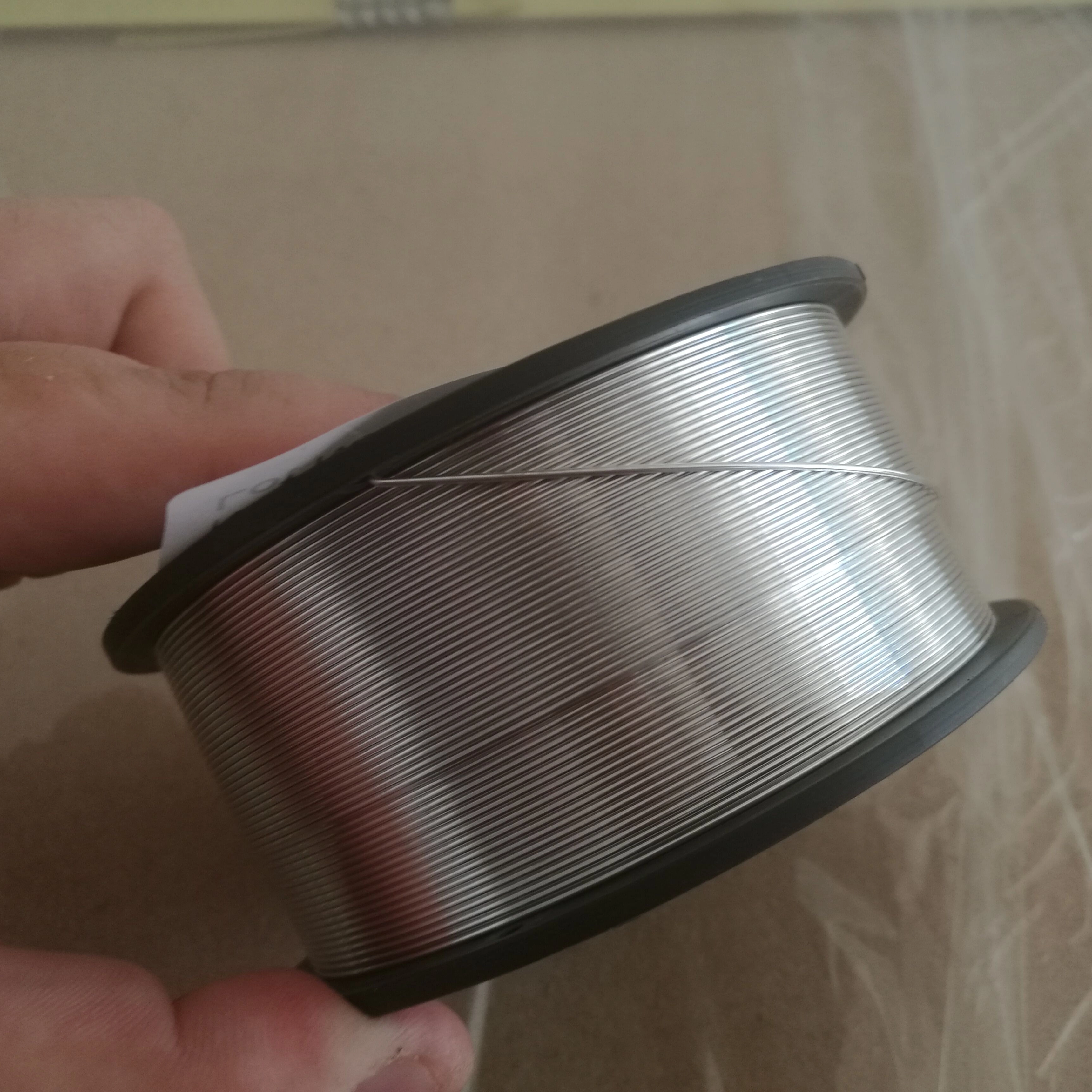
2024-01-22 E71T-GS welding wire has a wide range of applications, mainly because it performs well in welding carbon steel and low-alloy steel. Here are some of its main uses: High-strength welding: Due to its excellent mechanical properties, E71T-GS welding wire is suitable for applications that require high-s
Read More  English
 العربية
 Français
 Русский
 Español
 Português
 Deutsch
 italiano
 日本語
日本語 한국어
한국어 Nederlands
 Tiếng Việt
 ไทย
ไทย Polski
 Türkçe
 Bahasa Melayu
 Filipino
 Bahasa Indonesia
 magyar
 Română
 Čeština
 Монгол
 қазақ
қазақ Српски
 हिन्दी
 فارسی
فارسی Slovenčina
 Slovenščina
 Norsk
Norsk Svenska
 українська
 Ελληνικά
 Suomi
Suomi Հայերեն
 עברית
עברית Dansk
Dansk اردو
اردو বাংলা
বাংলা Hrvatski
 Afrikaans
 Gaeilge
 Eesti keel
 Māori
Māori नेपाली
 Oʻzbekcha
 latviešu
 Azərbaycan dili
 Беларуская мова
 Български
 Kurdî
Kurdî Кыргызча


