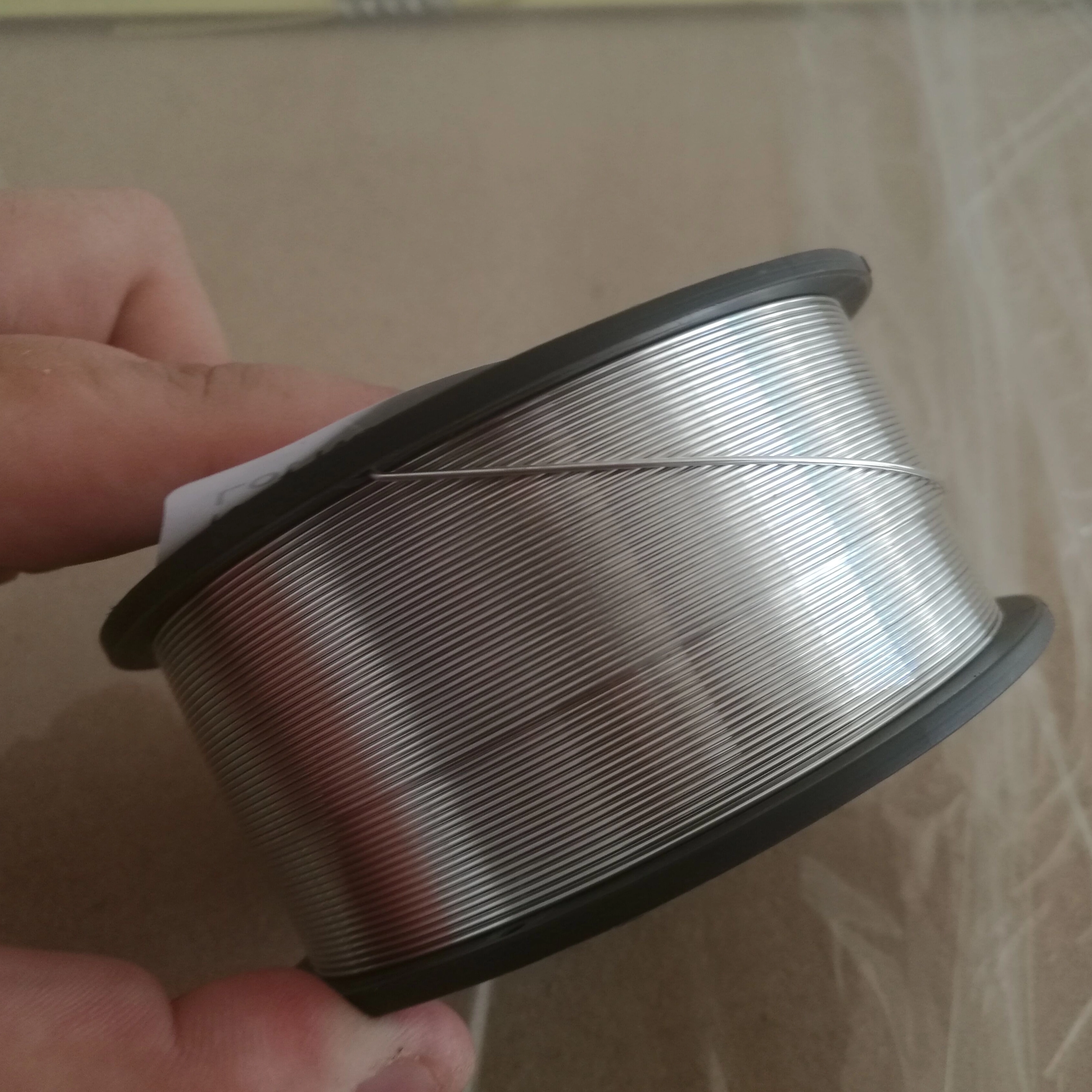
2026-06-25 Why is aluminum a material of choice in the aerospace industry, and how does welding fit in?Aluminum alloys are fundamental to the **aerospace industry** due to their exceptional **high strength-to-weight ratio**. This characteristic is crucial for achieving **lightweighting** in aircraft, spacecraf
Read More 
2026-06-05 Why might aluminum welding wire feel "soft" or cause feeding issues during welding?When **aluminum welding wire** feels "soft" during use, it usually translates to poor wire feeding performance, leading to frustration and weld defects. Unlike steel wires, aluminum is inherently softer and more ducti
Read More 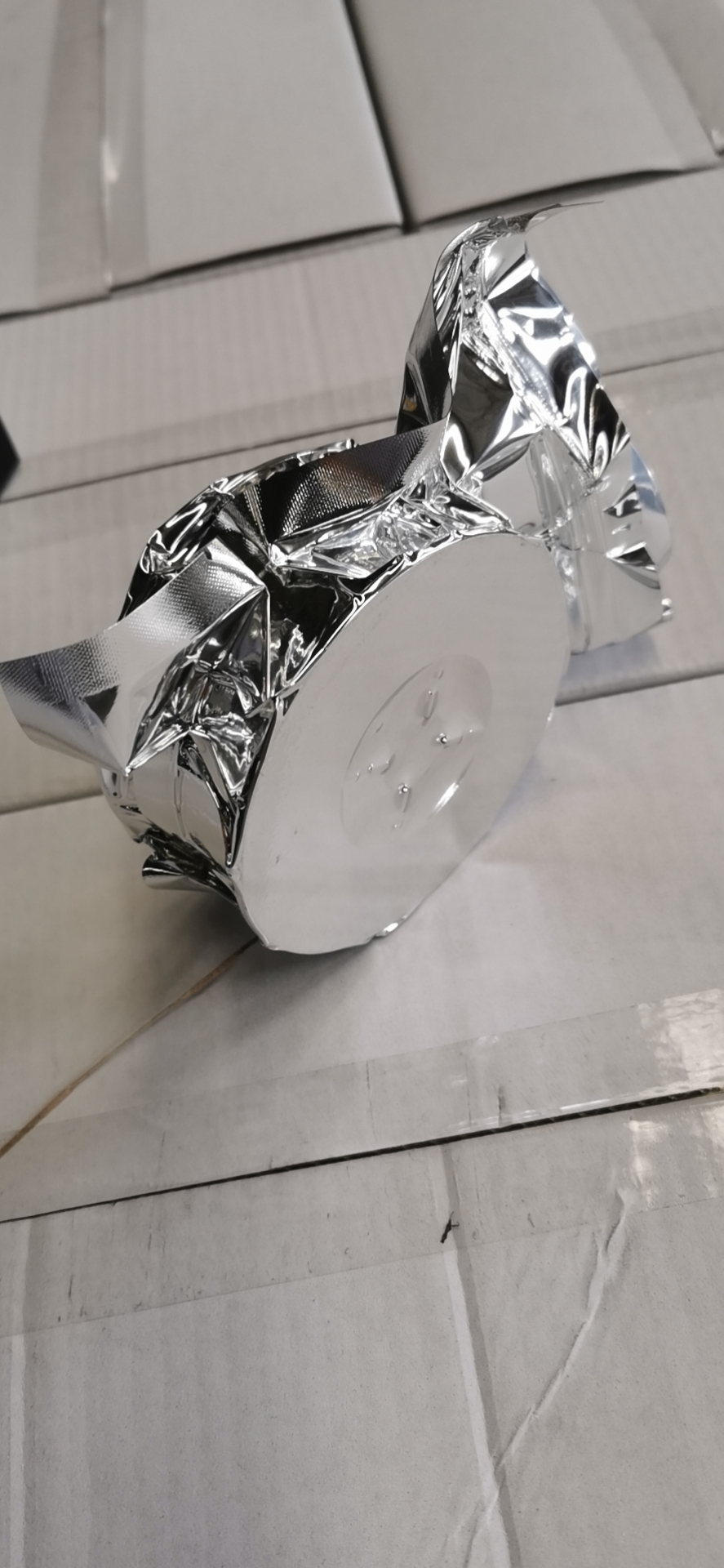
2026-05-25 Why is the use of aluminum in shipbuilding increasing, and what does this mean for welding?Aluminum's role in **shipbuilding** is rapidly expanding, driven by the desire for **lightweighting**. Lighter vessels consume less fuel, increase payload capacity, and can achieve higher speeds. This shift fr
Read More 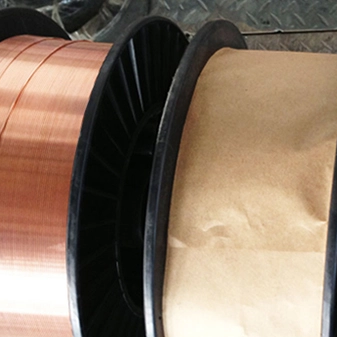
2026-05-05 What are the primary differences in welding process between E71T-1 and ER70S-6?**ER70S-6** is a **solid wire** used in **Gas Metal Arc Welding (GMAW)**, commonly known as **MIG welding**. It relies entirely on an external **shielding gas** (usually Argon/CO2 blends or 100% CO2) to protect the weld p
Read More 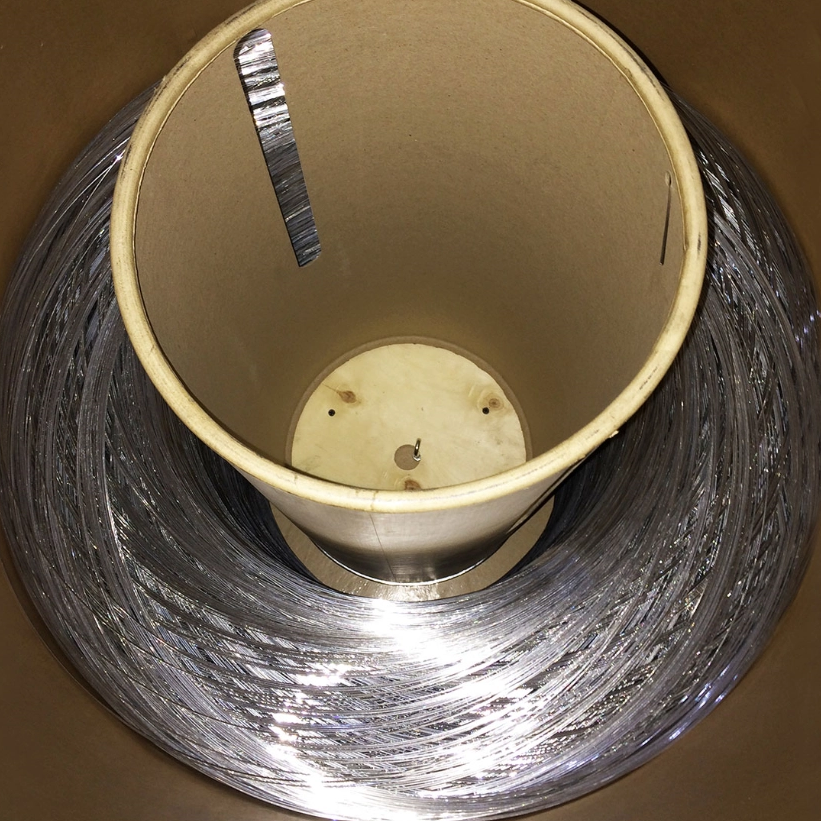
2026-02-25 What is the fundamental compositional difference between ER4043 and ER5356 aluminum welding wires?The core distinction lies in their primary alloying elements. **ER4043** is an **aluminum-silicon alloy**, typically containing 4.5-6.0% silicon. This silicon content lowers the melting point and improv
Read More 
2025-11-25 What is the primary difference between E308-16 and E308L-16 welding electrodes?The fundamental distinction between **E308-16** and **E308L-16** lies in their **carbon content**. The "L" in E308L-16 signifies "Low Carbon." E308-16 has a higher nominal carbon content (typically up to 0.08%), whereas E
Read More 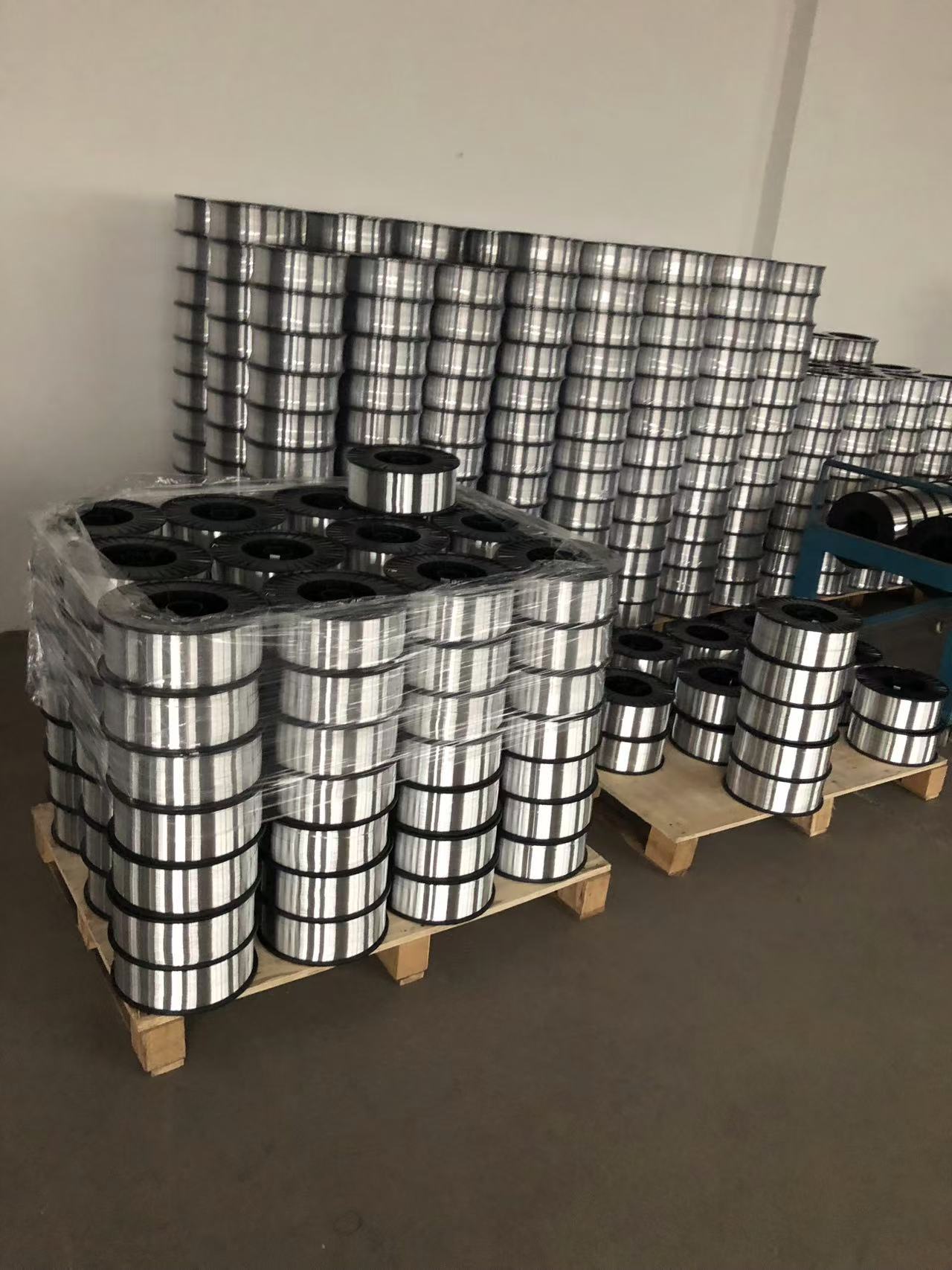
2025-06-25 Does the "hardness" or "stiffness" of aluminum welding wire genuinely impact the welding process?Absolutely, the **hardness** or **stiffness** of **aluminum welding wire** has a profound impact on the entire **welding process**, particularly for **MIG welding (GMAW)**. Aluminum is inherently softer
Read More  English
 العربية
 Français
 Русский
 Español
 Português
 Deutsch
 italiano
 日本語
日本語 한국어
한국어 Nederlands
 Tiếng Việt
 ไทย
ไทย Polski
 Türkçe
 Bahasa Melayu
 Filipino
 Bahasa Indonesia
 magyar
 Română
 Čeština
 Монгол
 қазақ
қазақ Српски
 हिन्दी
 فارسی
فارسی Slovenčina
 Slovenščina
 Norsk
Norsk Svenska
 українська
 Ελληνικά
 Suomi
Suomi Հայերեն
 עברית
עברית Dansk
Dansk اردو
اردو বাংলা
বাংলা Hrvatski
 Afrikaans
 Gaeilge
 Eesti keel
 Māori
Māori नेपाली
 Oʻzbekcha
 latviešu
 Azərbaycan dili
 Беларуская мова
 Български
 Kurdî
Kurdî Кыргызча


